
Author: John Fitts
TLDR
You’re ready for Oracle AIDP when you can name a specific use case tied to a business outcome, and you have a baseline level of data maturity sufficient to act on that use case. The most common readiness gap is data governance, and the Data8 framework is a structured way to assess and close it. The lowest-risk way to test the platform is Vertice’s Pilot, Prototype, Project approach, which lets you prove value on representative data before any infrastructure or procurement commitment. And if it turns out you’re not ready yet, foundational data work is the right next investment, not because AIDP isn’t right for you, but because it’ll work better when you eventually deploy it. This guide is drawn from Vertice’s delivery experience, including our work with University College Dublin Clinical Research Centre
What Does Oracle AIDP Readiness Actually Mean?
Oracle AI Data Platform (AIDP) is Oracle’s unified environment for building, governing, and operationalizing AI and data workloads on enterprise data. Oracle AIDP readiness is your business’s ability to successfully use that platform to deliver reliable, scalable, and business-relevant outcomes.
How do you know you are ready for Oracle AIDP?
There are two things we look for when we’re having this conversation with businesses.
A Clear Use Case Tied to a Business Outcome
The first is a clear use case tied to a business outcome. Not a general interest in AI, but something specific. We want to reduce reporting cycles. We want real-time visibility into trial performance. We want to detect fraud patterns faster. When someone can articulate that clearly, it tells us there’s a real problem to solve, and the investment has a purpose.
Basic Data Maturity
The second is a basic level of data maturity. And that doesn’t mean perfect data (nobody has perfect data). It means having a reasonable understanding of what data you have, where it lives, who is the data owner, as well as some level of governance around it.
What Are the Signs Organizations Are Not Ready for Oracle AIDP?
The clearest sign an organization is not ready for Oracle AIDP is when the conversation about AI is still in the abstract, with no specific use case attached. The language being used sounds like “we should probably do something with AI”, or “we know we need to do something with AI, and we’ve heard Oracle AIDP is the right platform,”. This typically signals that this decision is from external pressure rather than internal clarity.
That being said, there’s nothing wrong with being there, a lot of organizations are. But putting a platform in place before you know what you’re aiming to solve for tends to be where the expensive lessons happen. The value from Oracle AIDP is directly tied to a strong use case. A concrete goal like reducing trial reporting from three weeks to three days, or surfacing fraud patterns in real time, is measurable from day one. A vague goal has no benchmark for success and no clear point at which the platform has earned its cost.
We’d rather have these honest conversations up front. If someone’s ready, we’ll move fast. If they need to do some foundational work first, we’ll say that too. We’ve found that being straightforward about readiness early on builds a much stronger relationship than telling someone what they want to hear.
What's the Most Common Oracle AIDP Readiness Gap?
Data governance. Almost every time.
The instinct to skip past it is something I personally struggle with. I’m not naturally patient. If there’s a room to paint, I want to grab the roller and start covering walls because that’s where the progress feels visible. But I’ve learned the hard way that the real work is in the prep. Filling the nail holes, sanding, and taping off the edges. It feels like you’re not getting anywhere, but skipping it always shows up later. And fixing it later on takes twice as long as just doing it right the first time.
Data governance is the prep work. And part of the reason it gets skipped is that for a lot of organizations, it’s unfamiliar territory. If you haven’t been through it before, it can feel like this big, abstract thing that’s hard to get your arms around. Where do you even start?
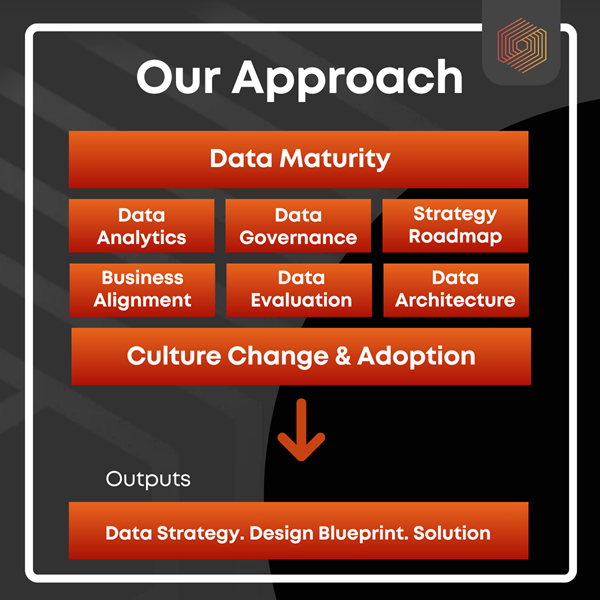
That’s exactly why we built our Data8 framework. It gives organizations a practical way to look at their data maturity across eight key dimensions and figure out where the gaps are before they start spending on platforms. It makes governance feel less like a mountain and more like a checklist. Sometimes the answer is that AIDP is the right next step. Sometimes the answer is that there’s foundational work to do first. Either way, understanding where you stand saves a lot of time and money down the road.
Is there a Low-Risk Way to Test Oracle AIDP Before Committing?
Yes. We use a Pilot, Prototype, Project approach that lets you see results on representative data before any infrastructure or procurement commitment.
This is probably the question we enjoy answering the most, because it’s exactly how we like to work.
We use what we call a Pilot, Prototype, Project approach. We run the pilot on our own AIDP environment using synthetic or sample data, so the client isn’t standing up infrastructure or going through lengthy procurement before they’ve seen what’s possible.
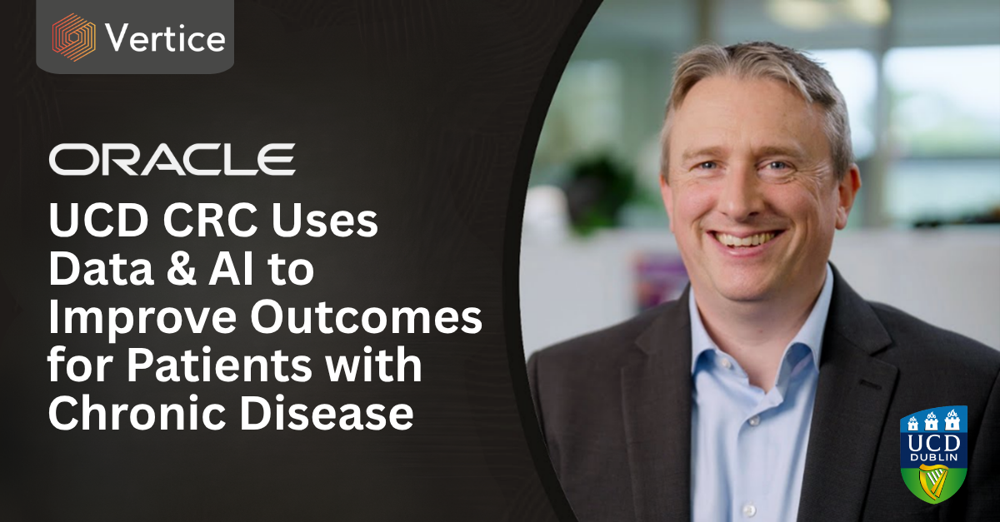
In our work with University College Dublin Clinical Research Centre, we used synthetic patient data and sample datasets loaded into AIDP in a matter of days rather than the weeks or months the traditional path would have taken. The compliance and data access requirements were significantly simpler because we weren’t working with sensitive patient data at that stage. The team got to see real results before committing to anything further.
From there, if the value is clear, it moves into a prototype with more structure, and eventually into a full production project with live data and integration. But the starting point is always low risk and fast. We’d rather show someone what’s possible than spend three months talking about it.
What Should You Do If You're Not Ready for Oracle AIDP Yet?
If the readiness conversation suggests you’re not ready for AIDP yet, that’s not a setback. It’s information that saves you a significant amount of money and a significant amount of organizational pain.
The right next step in this scenario is foundational data work. That usually means some combination of cataloging what data you hold, establishing ownership and governance baselines for the datasets that matter most, and getting clarity on the specific business outcomes that would make a future AIDP investment worthwhile. The Data8 framework is the structured way we do this with clients, and the engagement is meaningfully shorter and less expensive than a full platform implementation.
The other thing worth saying is that the foundational work makes the eventual AIDP rollout faster, cheaper, and much more likely to succeed. Organizations that invest in the prep work tend to deploy AIDP in a fraction of the time it takes organizations that try to do both at once, because the platform doesn’t have to absorb the cost of unresolved data ownership and governance questions during deployment.
Next Steps
If you’re at the stage of thinking about Oracle AIDP and you want an honest readiness conversation, Contact Us.
If you’re still working out what Oracle AIDP is and how the platform is structured, our practitioner’s guide covers the architecture, the Workbench, and the use cases in depth. Our Guide: Oracle AI Data Platform
About John Fitts
John Fitts is a senior business strategist with 25 years translating between the boardroom and the technology stack. As US Vice President for Vertice and CEO of Fairfax Intel, he partners with C-suite leaders on the question most AI and data programs skip: not how, but why.
Contact us today to arrange an assessment or email:

John Fitts
Senior VP North America